
Jlh Home
You want to build a strong mattress line. You want clear steps. You want a path that cuts through noise. JLH Home gives you a direct way to shape your own products and grow your market. This article guides you through each stage so you can act with confidence. You will see what to do, how to do it, and why it works. The goal is to help you build a line that fits your users and supports your business.
Understanding Your Starting Point
You begin with your market. You need to know who you want to serve. You need to know what your users look for in a mattress. You also need to review your current resources. This helps you decide how fast you can move and how wide you can grow.
If you enter a new region, gather simple facts. Check what mattress sizes sell most. Check the common comfort levels. Check what local users complain about. These facts help you shape a clear offer. Work with real data. Your plan will stand on solid ground.
Setting a Clear Product Goal
You need a product target that is simple and firm. Decide the kind of sleep experience you want to offer. Decide the level of comfort. Decide the main use case.
If your users want a cool sleep surface, your product goal must include materials that support airflow. If your users want strong support, your product goal must include a well-tested spring system. If your users want a soft touch, your product goal must include the right foam mix and surface pattern. A clear product goal guides every step you take next.
Working With Mattress Customization
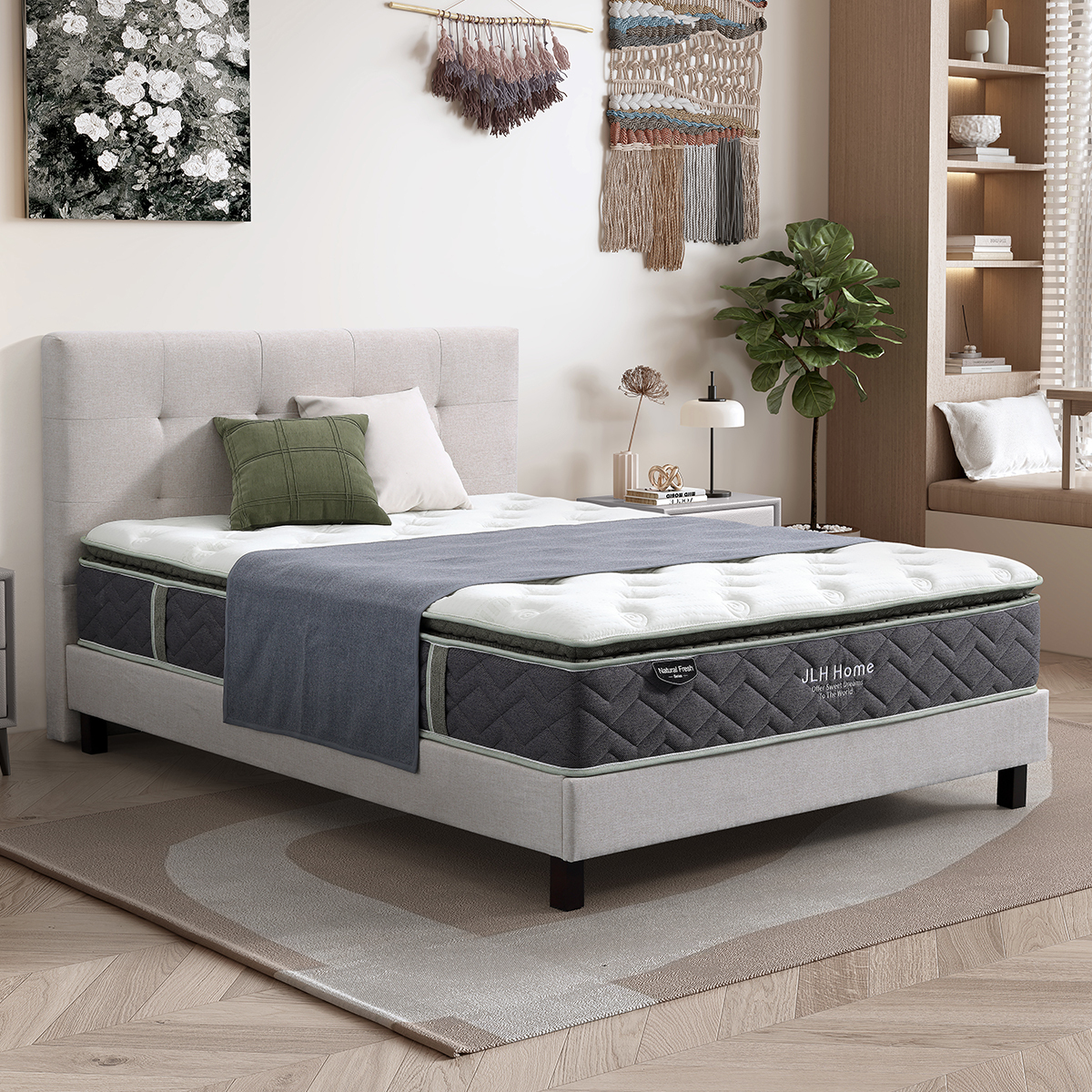
This is where JLH Home becomes useful. You can adjust each part of the mattress to match your product goal. You can shape color, size, height, top pattern, side fabric, logo embroidery, firmness, and the box design. You can tune each detail so it fits your market.
Start with form and feel. The height of the mattress affects comfort and looks. Pick a stable height that fits the needs of your users. Then focus on fabrics. The top fabric should fit your climate and target group. Hot regions often need breathable fabrics. Cold regions often need warmer surfaces.
Then set the firmness. You can select a range that reflects local needs. Test each option before you choose. A small change in foam mix can change the full sleep feel.
Next build the outer look. This includes colors, patterns, and labels. Keep the look clean and simple unless your market shows a strong taste for bold detail. A quiet design often works well because it fits more home styles.
Aligning Packaging With Your Brand
After you choose mattress details, you shape the packing box. This is not only for transport. It also shows your identity. Use plain and strong colors. Use a clean logo. Use clear text. Make sure the box protects the product through long travel. A sturdy box also reduces damage costs and helps your users trust the product when it arrives.
Designing a Brand System
Your brand is more than your logo. It is the image that your users build in their mind when they see your products. Study what your market wants from a brand. Then form a style that matches that need.
If your users value calm at home, keep your brand system quiet and clear. If your users value structure, use strong lines and sharp shapes. Your brand must carry the same tone across logos, fabrics, labels, and boxes. This creates unity. Unity builds trust. A consistent brand helps your users remember you.
Shaping Your Market Position
You need a clear market position. This means you decide the user group you serve and the value you bring. Do not aim at everyone. Pick a group. Pick a need. Pick a price level that matches the true value of your product.
Study the common gaps in your market. Some regions lack tall mattresses. Some lack firm ones. Some lack designs with strong edge support. When you fill a real gap, you gain faster traction. Set your position around that gap and show users how your product solves their exact need.
Creating a Smooth Development Flow
A smooth process saves you cost and time. Build your development flow in simple steps.
- First gather user needs.
- Then shape the product goal.
- Then build sample pieces.
- Then test them.
- Then adjust and test again.
- Only then move to full production.
This kind of step-by-step work lowers risk. It keeps your focus sharp. JLH Home supports this workflow through its in-house fabric, foam, and spring production. You can adjust small details without waiting long. This helps you improve faster.
Training Your Sales Team
You need a team that can speak about your product with clarity. Simple training works well.
- Teach your team the key materials in each model.
- Teach them the sleep feel of each option.
- Teach them the exact user type each model suits.
- Show them how to present the value without long talk.
They should focus on three things. What the product is. Who it serves. Why it works. Short and clear speech helps users trust your team.
Creating a Product Set for Different Users
Do not build too many models at first. Start with three to five. Each should serve a clear need.
- One model can focus on strong support.
- One can focus on soft comfort.
- One can focus on balanced feel.
If you plan a higher price model, give it a special feature users can feel at once.
This kind of structure gives your users choice without causing confusion. It also makes your production and training easier.
Testing and Adjusting Your Offer
After your first batch enters the market, gather feedback. Ask simple questions:
- What did you like?
- What did not meet your needs?
- What would you change?
Look for patterns in feedback. If many users say the mattress feels warm at night, adjust the fabric or foam. If they want stronger edge support, adjust the spring design. These small changes can lift your next batch.
Building Long Term Value
You build your brand through steady quality. Do not chase trends that vanish fast. Focus on lasting features. Focus on comfort, support, and stable build quality. When your users trust your products, they talk about them to others. This kind of growth comes slow but stays longer.
Working With Jlh Home as Your Partner
As you grow, you may need faster production, deeper customization, or new designs. JLH Home can support these steps because it controls fabric, spring, and foam production directly. This allows you to make precise changes in each part. It also helps you keep your costs stable and predictable. When you can control your product parts, you can shape your line with confidence.
Moving Your Brand Forward
Once your first models work well in one region, you can explore new markets. Start with small test runs. Adjust your materials based on local climate. Adjust your height and size based on local norms. Adjust your fabric mix based on local sleep habits. A flexible production partner lets you enter new regions with fewer risks.
Conclusion
You now have a clear path to build a mattress line that fits your users and supports your growth. You can shape each part with intent. You can build a brand that stands for clarity and function. You can act with purpose. With the right steps and a partner like JLH Home, you can turn your plan into a stable and strong product line.


